

Intuitive eating is an approach that helps people develop a healthy relationship with food and their body. In addition, the research shows that people reap many health benefits from taking this approach to food. Gentle nutrition is one of the Intuitive Eating principles that helps people to navigate nutrition knowledge and apply it in a balanced, sustainable, and individualised way. In this blog post we will explore how to apply gentle nutrition to the topic of fruit.
Does the word fruit, conjure up memories from childhood? Possibly of squishy black banana left in your school bag, or apples gone brown in your lunchbox and rules about finishing your fruit before having something delicious and tasty. Have you ever wondered what shapes your relationship with fruit?
I also wonder does having fruit feel like a chore or bring joy?
You are not alone in struggling to get in 2 pieces of fruit per day. In fact, research from 2022, showed that 36% of children and adolescents aged (2–17) and 56% of adults aged 18 and over did not meet the recommended daily serves of fruit. Now this is not a judgement, just a fact. Instead, it makes me curious, about people’s relationship to fruit and what makes it less interesting to eat or hard to incorporate fruit into a daily routine.
What impacts your fruit intake?
Many things can impact your intake of fruit, cost, preparation, interest, textures, flavours, smells and of course past experiences with fruit. Have you ever wondered what impacts your intake of fruit?
I know that for some people who have been through restrictive eating phases or diets where they forced themselves to eat lots of fruit, eating fruit can feel triggering or burdensome given what it once symbolised.
Maybe you have strong memories from childhood, where you were you had to eat your fruit first before considering other more tasty snacks. Alternatively, you had to eat fruit that was less appealing as it was soft or had gone slightly brown. Your preferences for certain textures or looks were dismissed.
For others, it just doesn’t seem appealing. And maybe this is partly due to an idea that fruit must be fresh and whole to count or to have nutritional benefits.
Fruit doesn’t have to be fresh or whole to be nutritious
What you may not realise is that fruit doesn’t have to be fresh or whole to provide your body with nutritional benefits. It can be frozen, stewed, pureed, juiced, in a dessert, in cake and you will still get most of the nutrition benefits. I say this, as fibre can be lost when fruit is juiced, but otherwise the vitamins and phytonutrients are still there for the taking. This means that the following options are available to you to improve your fruit intake:

Fruit with a twist
- Frozen fruit
- Poached pears
- Stewed fruit
- Fruit juice
- Tinned fruit
- Dried fruit
- Fruit juice icy-poles
Fruit in a dessert, cake, muffin or cookie
- Apple crumble
- Banana cake
- Raspberry muffins
- Apple and oat cookies
- Warmed blueberries with ice-cream
- French toast with strawberries
- Pancakes with berries and yoghurt
Paring fruit with other food groups
- Stewed apple on muesli
- Peanut butter and banana on toast
- Apple dipped in nut butter
- Frozen berries with yoghurt and granola
- Dried fruit and nuts
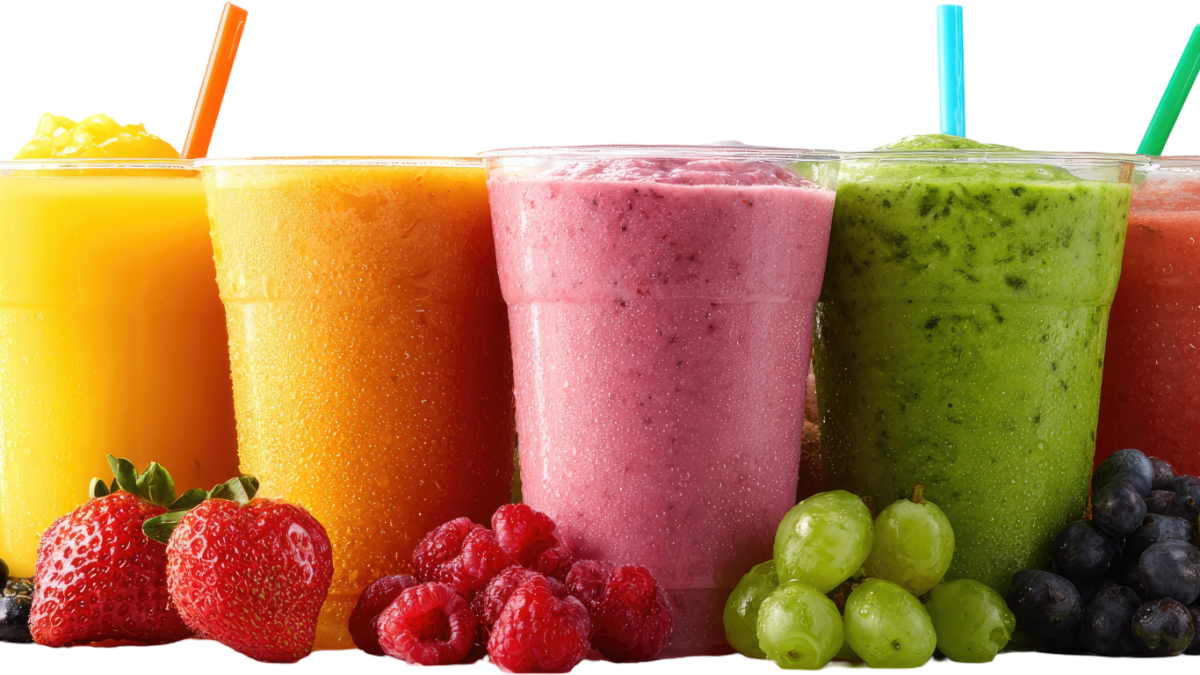
- Smoothie (with fruit, yoghurt and milk etc.)
- Figs and brie or ricotta or goats cheese
Adding fruit to savory dishes
- Pear, rocket and parmesan salad
- Peach rocket and goats cheese salad
- Prunes or apricots in Moroccan stews
- Stewed apple and roast pork
- Roast chicken with roast vegetables and pear
What makes fruit enjoyable to you?
When I am supporting someone with increasing their fruit intake, we start with exploring some of the following questions:
- What fruits they enjoy and how?
- Is there a particular time of the day that they are more open to fruit?
- Do preferences for fruit change in cooler weather?
- What textures of fruit do you prefer?
- Do you enjoy fruit in savory dishes or salads?
- What makes preparing fruit hard or doable?
Things people realise as they explore their relationship with fruit
Here are some realisations people have made as they consider what makes fruit enjoyable.
- They love summer fruits as they are refreshing, sweet and crunchy. But dislike fresh fruit in winter. Instead, they crave something warm. This is normal, and this is where including stewed fruits (plumbs, pears, apples etc.) or warmed berries can be an inviting option.
- People realise they just don’t like fruit by itself. If you can relate, you are not alone in this. They don’t mind it when paired with yoghurt or ice-cream and topped with something crunchy like granola or nuts.
- People acknowledge that they don’t like the unknown or inconsistent texture of fruit, but you like the flavour when it’s in a juice or smoothie. Great! These are both great options to include fruit.
- They like fruit when paired with something savory, like peanut butter or in a salad.
As we explore this, we can understand how to include fruit in ways that are enjoyable. And when food is enjoyable, you are more likely to include it and have it more regularly.
Perfectionism isn’t necessary
Now when setting goals around fruit, yes there is the Australian Dietary Guidelines that recommends 2 serves per day. But what I’m more interested in is, what are your goals? What are your health needs? What will work for you?
Nutrition is one aspect of health, and approaching it rigidly or with perfectionism, only leads to guilt, shame and stress. So, let’s take unrealistic goals off the table and focus on what works for you.
Having a flexible mindset, can mean that sometimes we acknowledge that we just don’t feel like fruit today and accept that, without judgement. And then on other days, we consider ways that fruit might be enjoyable as we know we need to increase our fibre intake and look after our gut health. This is gentle nutrition.
If you are interested in taking this approach to food, where we look at things from a holistic perspective. Considering how to improve your food intake by exploring your relationship with food. Working collaboratively to discover what actually works for you. Then why not connect with me today by booking a free discovery call.
References
Australian Bureau of Statistics. (2023, December 15). National Health Survey, 2022. https://www.abs.gov.au/statistics/health/food-and-nutrition/dietary-behaviour/2022
Agarwal S, Fulgoni Iii VL, Welland D. Intake of 100% Fruit Juice Is Associated with Improved Diet Quality of Adults: NHANES 2013-2016 Analysis. Nutrients. 2019 Oct 18;11(10):2513. doi: 10.3390/nu11102513. PMID: 31635292; PMCID: PMC6836193.