


Food rules may feel like an anchor – a safety device – and yet they are often a primary trigger for chaotic eating patterns. Let’s explore.
Where do food rules even come from?
Most of us will have food rules, whether we are aware of them or not. For some people food rules are important, regulating what we can and can’t eat, or maybe how much we eat. They may feel like an anchor, offering some stability when food patterns become chaotic. Alternatively, they may take the form of a rule book, helping you achieve certain health or weight goals.
It is very common to have food rules passed down to us; we can almost inherit them from our family and friends without realising it. And these food rules evolve. They change according to the prevailing nutrition myths and claims that circulate in the media, or the specific health issues we may be facing. So I wonder, have you ever considered where your food rules came from? And even if you see them has helpful, would you be open to exploring the impact they may have on your life?
What is a food rule?
Before we grapple with these questions, let’s ground ourselves in a definition of food rules.
Food rules arise from nutrition information (whether factual or myth) and are transformed into instructions about how we eat (e.g. frequency, patterns, manner), what we eat (types of foods, combinations of foods, etc.) and how much to eat (portion, calories). A food rule has a particular purpose, whether it is to help you achieve a health outcome, weight goal, or exercise objective.
What is the difference between food rules and nutrition facts?
You wouldn’t be alone in feeling a bit confused about the difference between food rules and nutrition facts. For many people, nutrition information simply gets applied in a rule-based way. And yet nutrition information is often general and complex and not meant to be applied rigidly, or in a manner that induces guilt and a sense of shame.
When can food rules be helpful?
Food rules aren’t inherently bad. There are many situations where food rules are helpful. We’re obviously not meant to eat mouldy food, for example. Then there are certain health conditions, like Coeliac Disease, Diabetes or kidney disease, where a person should ideally follow certain nutrition information more strictly to avoid complications. Another example would be athletes who need to eat certain abouts of energy, protein, carbohydrates to improve their performance. In these situations, food rules have a positive outcome and may still be followed with some flexibility or variety. In any case, there are times where they do have their place.
When can food rules have a negative impact?
Used sparingly, food rules can at times be appropriate. Yet they can also have a detrimental impact on one’s health and wellbeing. Do you find yourself hearing some nutritional fact and then turning it into a rule? Or maybe you hear that certain foods are “unhealthy” and feel a need to completely avoid them.
Having a black-and-white approach to food not only limits the variety of food we may enjoy; it can also lead to a stressful relationship with food, leaving people feeling deprived. Adhering to rules may cause us to ignore or lose our connection with our body’s signals, particularly our appetite. This, in turn, can lead to under- or overeating, thereby increasing the risk of chaotic eating patterns.
In sum, food rules that are adhered to in a very strict, inflexible way can potentially cause harm.
What is the negative impact of food rules on my wellbeing?
Let’s now explore the impact food rules might be having on your wellbeing.
Disconnects you from your body and its wisdom
When you prioritise food rules over your body’s wisdom, you begin to lose trust and connection with it. Trying to read, trust, and respond to appetite cues can then become a very confusing experience. As this turns into a a habitual pattern, it can lead to under- or overeating. Paradoxically, chaotic eating patterns may also emerge, as an inability to adhere strictly to one’s food rules can trigger guilt and shame, fueling habits of unregulated consumption. In this way, food rules may underlie nutritional deficiencies or an unbalanced dietary intake.
Hinders your social wellbeing
Holding fast to food rules can make it really difficult to socialise, particularly as food is often a central part of social engagements or celebrations. They can make it difficult to attend or be present at social engagements, as you may find yourself preoccupied with worries about what you can and can’t eat. Alternatively, you may find yourself avoiding catchups with others so you don’t have to face the prospect of breaking food rules. What’s concerning is that this robs you of the opportunity for social connectedness – a vitally important aspect of health.
Reduces the satisfaction factor
Judgements on food being “good” and “bad” make it extremely difficult to enjoy food and to feel satisfied. As a consequence of your rules, the foods you end up eating may taste bland or leave you with a sense of lack. Critical thoughts you might experience during or after a meal work in a similar fashion, while also stimulating a craving for precisely the kinds of food you’re trying to avoid.
Triggers chaotic eating patterns
Constantly having to live under the weight of food rules is both exhausting and impossible to follow long-term. We are not robots that can be controlled. As flesh-and-blood individuals, we seek pleasure and have a strong drive to be adequately nourished. Therefore, your body’s innate needs and desires will always over rule our arbitrary food rules at some point. This battle between restrictive food rules and your body’s true needs often ends in the emergence of chaotic eating patterns, such as bingeing.
Leads to feelings of guilt and shame
As mentioned previously, it is inevitable that you will find yourself breaking the food rules. When this happens, you may find yourself being weighed down by feelings of guilt and shame. This suggests that following the food rule is now impacting your value or worth as a human being. What you eat should not determine your worth; similarly, your eating habits make you neither a success nor a failure. You are worthy just as you are. If this is the case, it suggests you have placed an excessively high value on your food ruled and/or are following them in a very strict way.
Maybe this discussion has made you curious about some of the food rules you follow. If that’s the case, please remember to do so with compassion and support.
Can we apply nutrition facts without turning them into food rules?
If you are struggling with turning nutrition facts into food rules, you may be wondering if there’s another way. That is, a means of applying nutrition information without adding yet another rule to your rule book. The good news is that there is another way. It’s known as gentle nutrition and is a key aspect of Intuitive Eating (developed by Evelyn Tribole and Elyse Resch).
The idea of gentle nutrition is that we can apply nutrition information in a tailored, individualised way, where we still honour our body’s needs (appetite and health), our cultural heritage, and our emotional and social wellbeing. We hold the nutrition facts in context, which allows us to apply them sustainably and flexibly.
While the food knowledge (nutrition information) has its place, it no longer dictates our worth or mood. We can apply it to the best of our abilities and accept that it will need to be broken for social situations, emotional eating, or honouring our cultural traditions. Of course, this is a very nuanced area and can be difficult to articulate in a few words. Therefore, it is best explored in depth with a dietitian.
What does Gentle Nutrition look like?
Another way of considering the idea of gentle nutrition is to shift from judgements, food rules, and substitutions to adding variety and joy back into your diet.
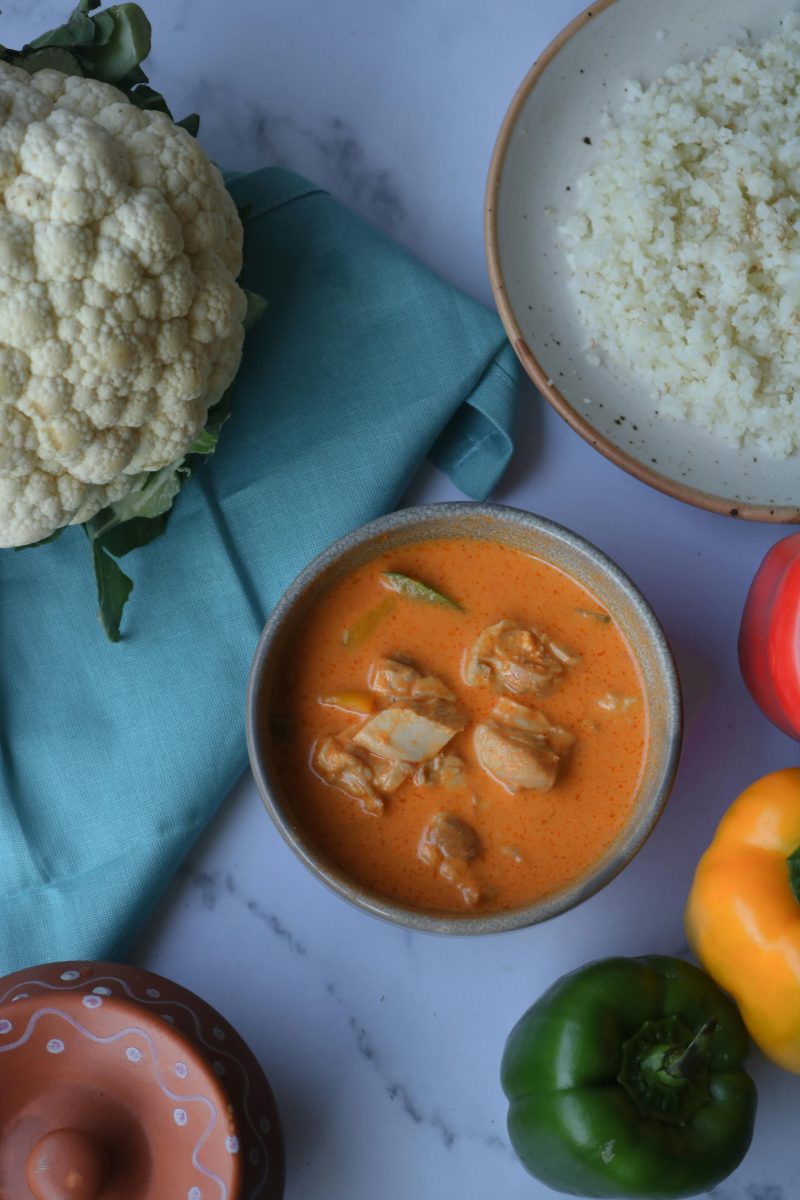
An example may help make all this clearer. Imagine you’ve convinced yourself that cauliflower rice tastes better than ordinary rice, and that you are healthier for making this choice. Maybe you do genuinely like cauliflower rice; if so, that’s great. Alternatively, your food rules may be robbing you of the joy of eating rice because of a fear of being unhealthy. Or maybe this rule is making it hard for you to attend family gatherings because rice is a key element of the shared meal.
In this case, if you reject the diet mentality and approach nutrition in a flexible way, you can include rice and cauliflower without guilt, judgement, or the stress of adhering to food rules. It would also allow you to connect more easily at family gatherings rather than being worried about breaking your food rule. Taking on the gentle nutrition approach then allows you to explore options. What would it be like to continue enjoying rice and then add cauliflower to your dish? Or have a side of delicious roasted cauliflower? Furthermore, if you allowed yourself to be flexible, you could mix up the type of rice you have with your dish. This approach allows you to enjoy food without guilt and stress, while increasing the variety of foods you include in your diet. Both the variety and reduced stress are good for your health.
Rigid guilt inducing food rules aren’t your only option
It is important to remember that food rules can be helpful in the right context. And that if food rules are impacting your connection with food, your body and social wellbeing, then it’s time to examine them with support.
Food doesn’t have to be rigid, guilt-inducing and all consuming. You can learn to have a flexible relationship with food that allows you to honour your whole wellbeing. If you want to get curious about your food rules and find freedom from chaotic eating patterns, please reach out for support today.