


In my last post, I took a general look at meal times with children – why they can be stressful and what we can do to reduce that stress. In this post, I want to offer a few practical tips and strategies that can be used to relieve the chaos at meal times and foster a heathier relationship between food and your kids.
Shared meal times
Previously, I talked about buildng connection at the dinner table through conversation, games, and silliness. But connection can also occurs through food itself. Prioritising shared or self-serve meals are evidence-based ways to encourage your children to feel less stressed and more curious about food. They also honour your kids’ autonomy, allowing them to learn how to eat according to their appetite cues.
At its most basic, “shared meals” simply refers to people eating together. The more we eat together, the more connected we feel with each other. There are clear links between the frequency of meals that families enjoy together and positive health outcomes.
Self-service helps make meal times successful
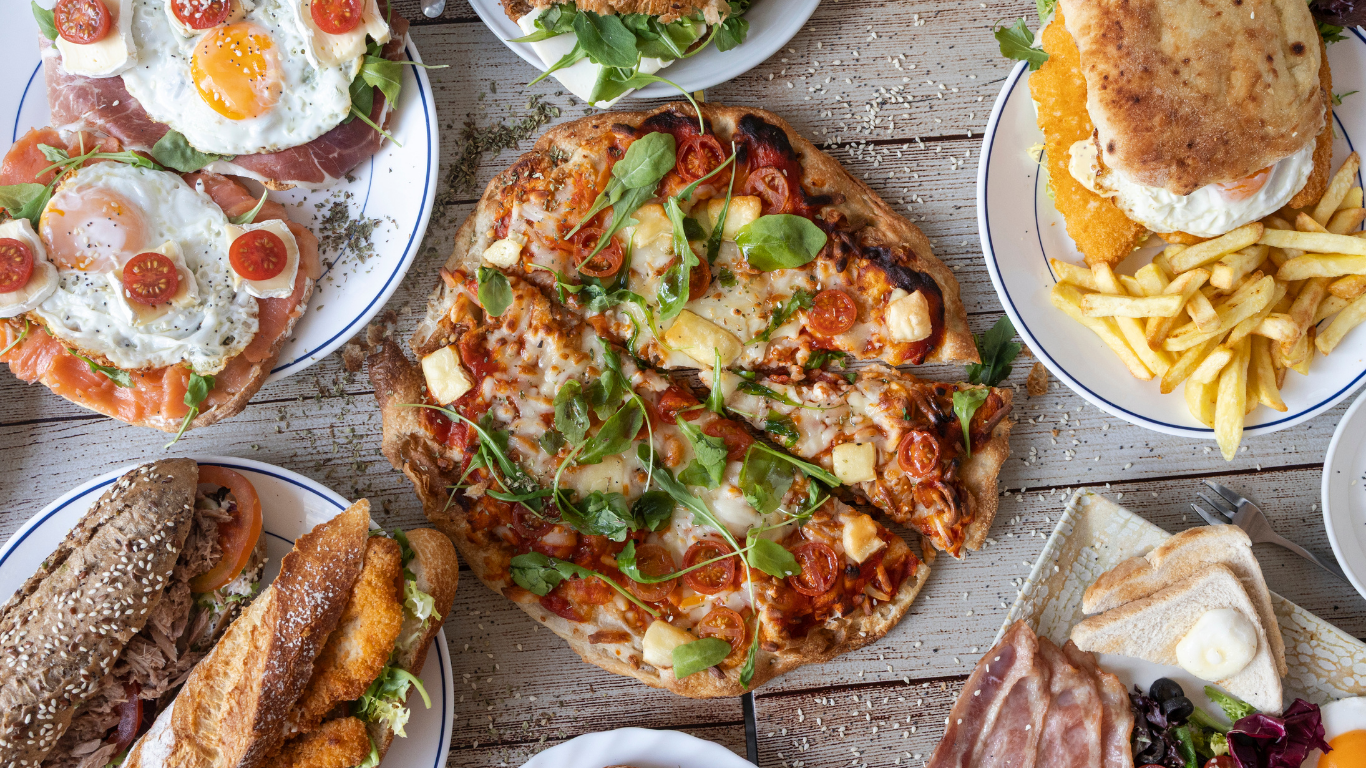
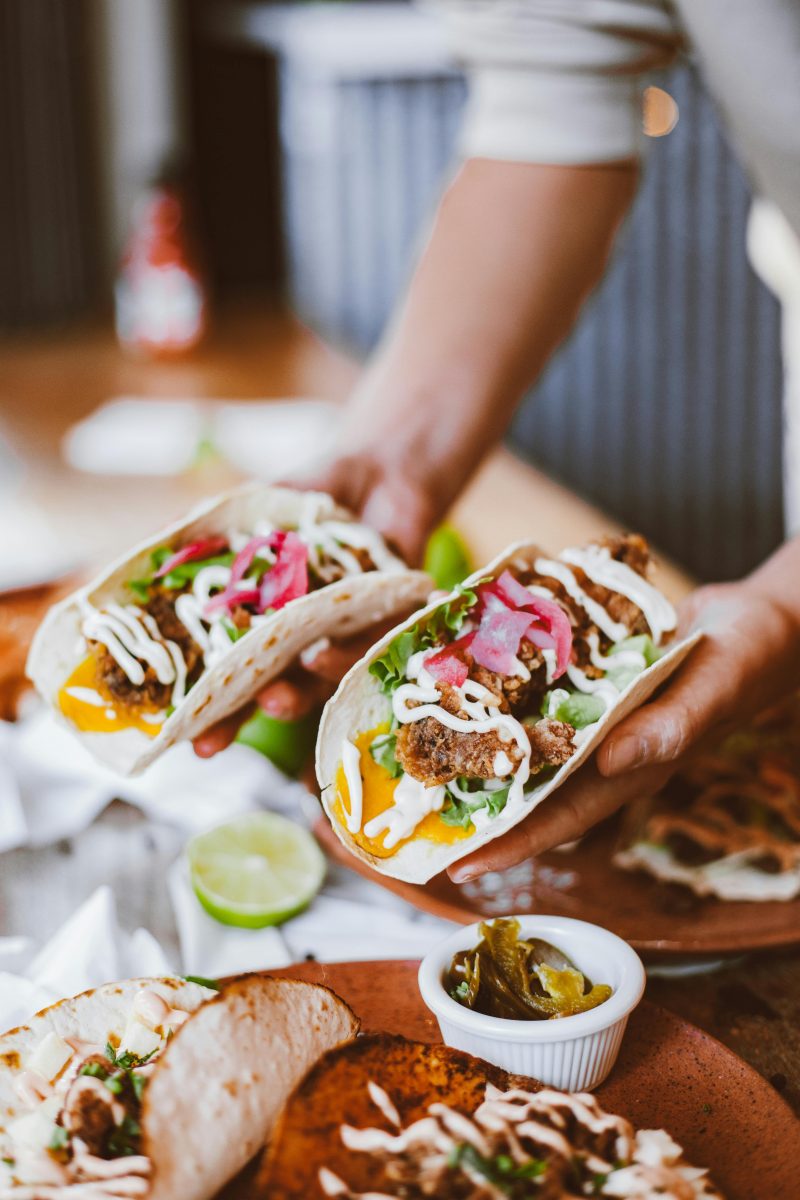
A self-serve meal is a type of shared meal where all the elements of a dish are placed in the centre of the table, allowing each person to serve themselves and create their own combination based on preferences and appetite. Obviously, younger children may need some help in compiling their meals – although this provides another moment for connection as you ask them what they’d like on their plates, prompt them to explore new foods, and so on.
This step may feel a little daunting, especially if your young ones are fussy eaters. You may be thinking, “Well, my kids will end up with barely anything on their plates!” Yes, this may happen initially – and that’s okay, since dinner is only one meal in the day. There are many other opportunities for your children to receive the nourishment they need. We also know that with repeated, neutral exposure to a wide variety of foods, your kids will eventually begin to explore that which is new or unfamiliar.
What meals naturally lend themselves to self-service?
While the notion of self-serve meals sounds appealing, you may be having trouble coming up with ideas. Here’s a shortlist, then, to get you thinking:
- Hamburgers (vegetarian, chicken, beef)
- Greek chicken and vegetable wraps
- Slow-cooked lamb and vegetable wraps
- Tacos
- Pasta with bolognese sauce and a side salad
- Cheese triangles, roasted potatoes, and salad
- Hawaiian chicken salad (rice, chicken, and a range of salad toppings. See here for a recipe)
- Meatballs (Moroccan, Greek, chicken, etc.). These can be served with pasta, wraps, or couscous
- Pesto pasta with a side of vegetables and sausages
Deconstructing meals
Meals don’t have to be self-serve to be successful, as most meals can be deconstructed in some way. Where this is impossible, I suggest offering a “No, Thank You” bowl to your children, so they can remove any vegetables or meat that they’re not yet ready to try. I also recommend initially offering small serves, so there is less pressure. Of course, if your children love the meal, they can then tell you how much they want!
Here are some tips for serving one-pot meals to children:
- Make the serving small. Remember, they can always ask for more
- Always check in with your child around the portions of each component (base and sauce/meal)
- If the meal is challenging for your child, consider separating the carbohydrate component (rice, pasta, potato) from the sauce. That way, they can always have some plain carbs if the sauce proves to be too rich or exotic
- If your child doesn’t like the carbohydrates but enjoys the rest of the meal, consider offering the latter in a wrap or with bread
- Provide a “No, Thank You” bowl
- Reduce the amount of sauce when you serve. For example, if you’re serving chicken satay, you may pick out the chicken, broccoli and carrot and only drizzle a small amount of the satay sauce on the noodles
This isn’t an exhaustive list by any means, and you may have your own strategies. If these ideas aren’t sufficient or right for your situation – or even if you’d like some more advice – please don’t hesitate to reach out for support.
What is ‘neutral exposure’?
Well done on getting this far! The final strategy I want you to consider is neutral food exposure. It’s something I’ve already mentioned in passing, but it’s worth delving into a little more. Neutral food exposure is a way of exposing children to food experiences without pressure or judgement. It means introducing them with a minimum of fuss and no expectations attached. There are many ways this can be achieved; for this blog post, let’s look at the act of being a role model.
Being a role model for our children
Children learn from what and who they observe. Therefore, one of the best ways to encourage our kids in their food journeys is to model it for them. Being a role model is one way we can introduce children to a wide variety of foods without them feeling pressured to taste or eat certain items. Doing so can help children develop positive, more adventurous eating habits. This means that we as parents can show our kids what it looks like to eat a wide variety of dishes, to listen to our bodies, to eat for comfort, to celebrate with food, to respond to our body’s cues, to respond to our health needs, and to use appropriate restraint (in a balanced and non-judgemental way).
Now, for some of you this may come easily: you might already enjoy a broad range of tastes and have a healthy relationship with food and your body. If this is the case, your example will be invaluable in guiding your child’s own relationship with food and helping them develop more expansive eating habits.
Of course, even if you are a “foodie”, this may not be your child’s end goal – and that’s OK. Learning to accept our children’s food preferences and food journeys can certainly be challenging. Yet it’s necessary for us to do this so that we can best support our children’s unique ways of interacting with their worlds. When they feel accepted as they are, they will have the love and support they need for their growth in this area.
A compassionate response for those who struggle to eat a wide variety of food
For those of you who may struggle to eat a wide variety of foods, this may feel hard. Yet there is no judgement here. There are many reasons why people may struggle to be adventurous in their eating habits. What I’d encourage you to do is to keep doing the best you can. For some of you, that may mean accessing a dietitian to work on your relationship with food and your body. For others out there, it may require you to ensure that your children have the opportunity at times to eat with other family members so they can witness different ways of relating to food. Or it might simply mean offering a variety of foods to your kids, even if you don’t like (some of) them.
Self-compassion
I’ve already talked about offering compassion towards your children. I want to finish now by suggesting that you could try directing some of that compassion towards yourself. Raising children is wonderful and rewarding; it’s also hard work! I often think about it as a kind of “beautiful chaos”. We don’t have to get it right all the time, for this is simply impossible; we’re all bound to make mistakes. Our frustrations may see us impose too much pressure on our kids to try something new. At other times, we may be too tired, and too harried, to even think about presenting food to the kids in a diverse, creative, or imaginative way. You’re not alone as you struggle to feed children and raise healthy eaters. You deserve support and kindness in those times of need.
If you need further advice or guidance, please don’t hesitate to reach out for professional support. And if this has proven useful, then stay tuned for some more helpful tips on feeding children and making meal times more successful.